

Reviewed by Souad Charifi Hadj, registered pharmacist nº 2676.
Skin Microbiome: What It Is, What It Does, and How to Care for It with Natural Cosmetics
The skin microbiome is the community of millions of living microorganisms—bacteria, fungi, and viruses, mostly harmless or beneficial—that inhabit your skin and form an invisible defense layer. Caring for it is, arguably, the most rewarding thing you can do for your face: when this ecosystem is balanced, the skin looks radiant, calm, and hydrated; when it becomes imbalanced (known as dysbiosis), dryness, sensitivity, breakouts, and redness appear. The good news is that protecting it doesn't require endless routines, but simple gestures and gentle products.
In this guide, we'll explain, without unnecessary jargon but with rigor, what the skin microbiome is, what functions it performs, why it gets altered, and how you can care for it with natural and probiotic cosmetics. Spoiler: sometimes, doing less is doing more.

What is the skin microbiome?
The skin microbiome is the community of microorganisms that live on the skin surface and in hair follicles. Far from being "dirt," these microorganisms form an ecosystem that works in our favor: they compete with harmful germs for space and nutrients, produce antimicrobial substances, and constantly communicate with our immune system. Skin is, in fact, a living and populated organ, not a sterile surface.
Microbiome and microbiota: Are they the same?
Although used interchangeably, there's a nuance. The microbiota is the collection of microorganisms inhabiting the skin; the microbiome also includes their genetic material and everything they produce. In daily practice, when we talk about "caring for the microbiome," we refer to maintaining that microbial population diverse and balanced.
Each person has a unique microbiome, almost like a fingerprint, and it varies depending on the body area: the flora of an oily area like the forehead is not the same as that of a dry area like the forearm. Among the most common genera are actinobacteria, firmicutes, and staphylococci, among many others.
What is the function of the skin microbiome? Its 3 key roles
The microbiome is not just for show. It works in conjunction with the skin barrier and the acid mantle (the thin hydrolipidic film on the surface) to keep skin healthy. These are its essential functions:
- Shield against pathogens. Beneficial microorganisms occupy the terrain and secrete substances that hinder the growth of aggressive germs. It is a first-line biological defense.
- Barrier reinforcement and hydration. A balanced microbiome contributes to the integrity of the skin barrier, essential for retaining water and preventing moisture loss, as well as protecting you from external aggressions like pollution and UV radiation.
- Immune system training. The microbiome modulates the skin's immune response, helping to "calibrate" when it should react and when it shouldn't. That's why a healthy ecosystem translates to less reactive skin.
A useful fact to understand it all: healthy skin maintains a slightly acidic pH, around 4.5–5.5. This acidity is exactly what beneficial bacteria prefer and what inhibits undesirable ones. Many problems begin, precisely, when we alter this pH.
Dysbiosis: what happens when the microbiome becomes imbalanced
Dysbiosis is the loss of diversity and balance in the microbiome. The problem is almost never "having bacteria," but rather a few getting out of control while variety decreases. When this happens, the skin barrier functions less effectively, and the skin becomes more exposed to dehydration, irritation, and inflammation.
Dermatological research links dysbiosis to several common skin conditions:
- Acne: associated with an imbalance in Cutibacterium acnes populations and an altered follicular environment.
- Rosacea and redness: linked to changes in the microbiota and increased skin reactivity.
- Atopic dermatitis: a decrease in microbial diversity and an overgrowth of Staphylococcus aureus are observed during flare-ups.
It's important to clarify: these conditions are multifactorial (genetics, hormones, environment), and dysbiosis is one piece of the puzzle, not the sole cause. If you have a persistent problem, it's wise to consult a dermatologist.
What imbalances the skin microbiome?
Many culprits are in our daily routine:
- Over-cleansing or using very harsh cleansers and alkaline soaps that raise the pH.
- Exfoliation and "active overload": overusing acids, retinoids, and peels until the barrier is stripped.
- Antibacterial agents and topical antibiotics used indiscriminately, which reduce microbial diversity.
- External factors: UV radiation, pollution, tobacco, very hot water, and extreme climate.
- Stress, lack of sleep, and an unbalanced diet, which also take a toll on the skin.
How to care for your skin microbiome: 7 key tips
Caring for your microbiome is, above all, about stopping its mistreatment. These simple and sustainable guidelines make a difference:
- Cleanse gently. Choose pH-balanced cleansers (ideally acidic) and avoid those that leave the skin feeling tight. In the morning, sometimes water or a very gentle cleanser is enough.
- Do not over-exfoliate. Reserve acids and retinoids for reasonable frequencies and respect rest periods. More active ingredients do not equate to better skin.
- Take care of the barrier. Ingredients like ceramides, fatty acids, squalane, or glycerin help seal in moisture and maintain the environment the microbiome needs.
- Opt for pre, pro, and postbiotics. Prebiotics "feed" good bacteria; probiotics provide microorganisms or their fractions; postbiotics are derived substances that soothe and strengthen the skin.
- Protect yourself from the sun. UV radiation damages the barrier and alters the microbiome: daily sun protection is non-negotiable, even in natural cosmetics.
- Simplify your routine. Fewer, well-chosen steps are often more effective (and gentler) than a ten-product routine.
- Take care of yourself from within. Hydration, sleep, stress management, and a varied diet also reflect on the skin.
Natural and probiotic cosmetics: allies of your microbiome
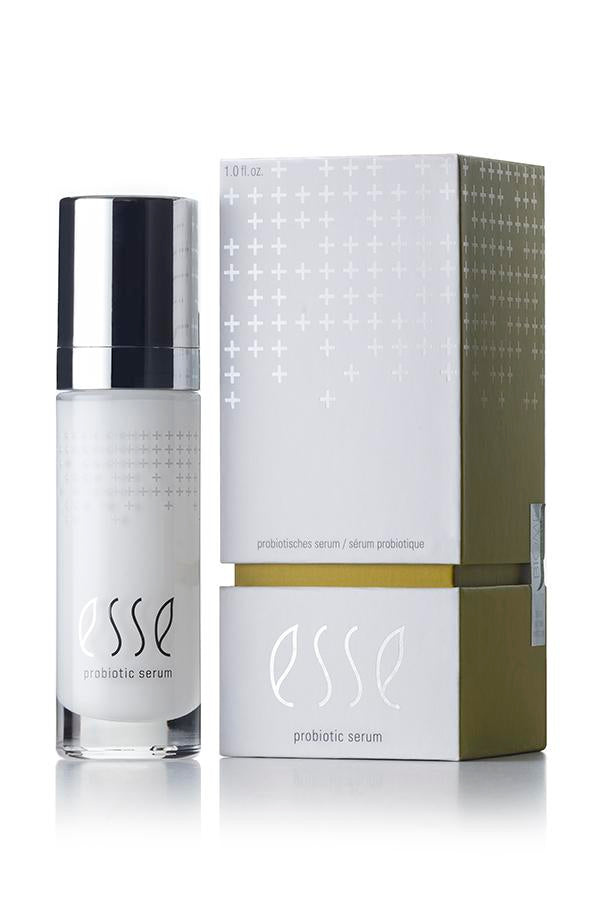
This is where natural and probiotic cosmetics have a lot to offer. Unlike aggressive formulas, clean and respectful formulations precisely aim not to decimate this ecosystem and, in addition, to nourish it. Pioneering brands like Esse Skincare formulate with organic probiotics and prebiotics designed to balance and protect the microbiome, especially useful for sensitive, reactive, or mature skin.
If you want to take the leap, here are some ideas for building a pro-microbiome routine:
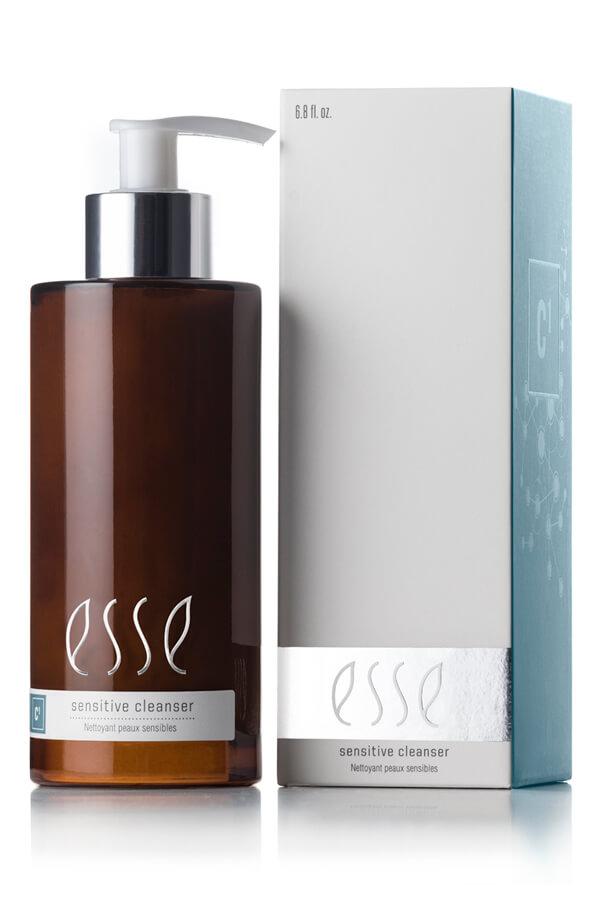
- Start with a gentle cleanse using a respectful facial cleanser that won't disrupt the acid mantle.
- Strengthen the barrier with a probiotic treatment like Esse Skincare's Probiotic Restorative Facial Serum.
- Discover all Esse Skincare's probiotic cosmetics formulated to care for the microbiome.
- If your skin is reactive or prone to redness, explore our selection for sensitive skin and rosacea.
At Biovardi, we select natural, organic, and toxin-free cosmetics because we believe in conscious beauty: beauty that respects your skin and the planet. And your microbiome, that living shield, will thank you for it.
Frequently asked questions about the skin microbiome
What exactly is the skin microbiome?
It is the community of microorganisms (bacteria, fungi, and viruses, mostly beneficial) that live on the skin surface and in hair follicles, along with their genetic material. It functions as a living defense layer that protects the skin barrier.
How do I know if my microbiome is imbalanced?
Common signs of dysbiosis include tightness, persistent dryness, sensitivity or itching, redness, and breakouts you didn't have before. There's no foolproof home test: if symptoms persist, it's advisable to consult a dermatologist.
Does over-cleansing my face damage the microbiome?
Yes. Over-cleansing or using harsh products alters the pH and removes beneficial lipids and microorganisms. The ideal is a gentle cleanse, with a respectful pH, once or twice a day depending on your skin.
What is the difference between probiotics, prebiotics, and postbiotics in cosmetics?
Prebiotics are "food" for good bacteria; probiotics provide microorganisms or their fractions; and postbiotics are derived substances with soothing and strengthening effects. Many natural formulas combine them.
Does natural cosmetics better care for the microbiome?
Not just because it's "natural," but because of its approach: good natural and probiotic formulas avoid harsh ingredients and prioritize skin balance. The important thing is to choose gentle products, with an appropriate pH and, if possible, with pre/pro/postbiotic active ingredients.
Does sun affect the skin microbiome?
Yes. UV radiation damages the skin barrier and can alter microbial balance, which is why daily sun protection is key all year round, and especially in summer.
References
- Condrò G, et al. Acne Vulgaris, Atopic Dermatitis and Rosacea: The Role of the Skin Microbiota—A Review. Biomedicines, 2022. View study
- La Roche-Posay / L'Oréal Dermatological Beauty. Protecting the balance of skin microbiota is essential to maintain the effectiveness of the skin barrier: review of evidence. View article
- Eucerin. What is the skin microbiome and how can I protect it? View article
- University of Seville (idUS). Microbiome, microbiota and healthy skin. View document
- Topical Probiotics as a Novel Approach in the Treatment of Chronic Dermatoses Associated with Skin Dysbiosis: A Narrative Review. PMC, 2024. View review
This article is for informational purposes only and does not substitute for the advice of a healthcare professional. If you have a persistent skin condition, consult your dermatologist or pharmacist.
Free skin analysis
Stop trying products blindly
One photo is enough to see where imperfections and enlarged pores are concentrated. AI suggests three routines, from the most complete to the most concise, and you choose how far you want to go.
Less than a minute. No registration and no commitment.